
What Is the Definition of Stress and How Is It Experienced

📖 Table of Contents
I remember the exact moment I realized stress wasn’t just something I felt in my head—it was a full-body experience. I was sitting in my office, staring at a spreadsheet, when I felt my chest tighten and my breath quicken. It wasn’t just anxiety; it was the body’s way of saying, 'This is too much.' I’ve since learned that stress is not a vague emotion but a tangible, physical response that affects everything from my digestion to my sleep. Understanding the definition of stress is the first step in learning how to manage it.
Stress has a way of sneaking up on you, even when you’re doing everything 'right.' It can manifest in the form of a racing heart, a dry mouth, or a foggy mind. I’ve noticed that my stress is often tied to deadlines. It doesn’t always stop there—it can follow me into my personal life, affecting my relationships and even my ability to enjoy simple pleasures. The definition of stress isn’t just about feeling overwhelmed; it’s about the body’s physical and emotional response to perceived threats, whether they’re real or imagined.
Over the years, I’ve experimented with different ways to manage stress. One thing that has become clear to me is that the definition of stress is not a one-size-fits-all experience. It can be acute or chronic, it can be visible or hidden, and it can have a variety of triggers. My journey with stress has taught me that understanding it is just as important as managing it. And it’s this understanding that forms the basis of the article you’re about to read.
Why You'll Love This Article
- Gain a clear, real-world understanding of the definition of stress and how it affects your body.
- Learn how to recognize the signs of stress through personal, sensory examples.
- Discover actionable tips to manage and even prevent stress from taking over your life.
- Get a roadmap for identifying and addressing the root causes of stress in your own life.
What is the Definition of Stress?
As of November 2026, Stress is not a vague emotion—it’s a biological response. When you encounter a challenge, your body releases hormones like cortisol and adrenaline, which prepare you to either fight or flee. This is the body’s way of saying, 'There’s something in the environment that needs to be addressed.' I’ve experienced this first-hand during presentations, where my heart would race and my palms would sweat, even though I was fully prepared.
The definition of stress is often misunderstood as just a mental state, but it’s a full-body experience. It can affect your digestion, your sleep, and even your skin. I’ve noticed that when I’m under stress, my stomach becomes unsettled and my skin breaks out. These are signs that my body is reacting to the stress in real time.
Stress is not always negative. In fact, it can be a helpful tool if it’s short-term and manageable. But when it becomes chronic, it can wreak havoc on your health. That’s why understanding the definition of stress is crucial in learning how to manage it effectively.
Take a moment to check in with your body. Are your shoulders tense? Is your breathing shallow? These are early signs that stress might be creeping in.
Part of our Stress relief micro breaks progress tracking guide.
How Does Stress Feel in the Body?
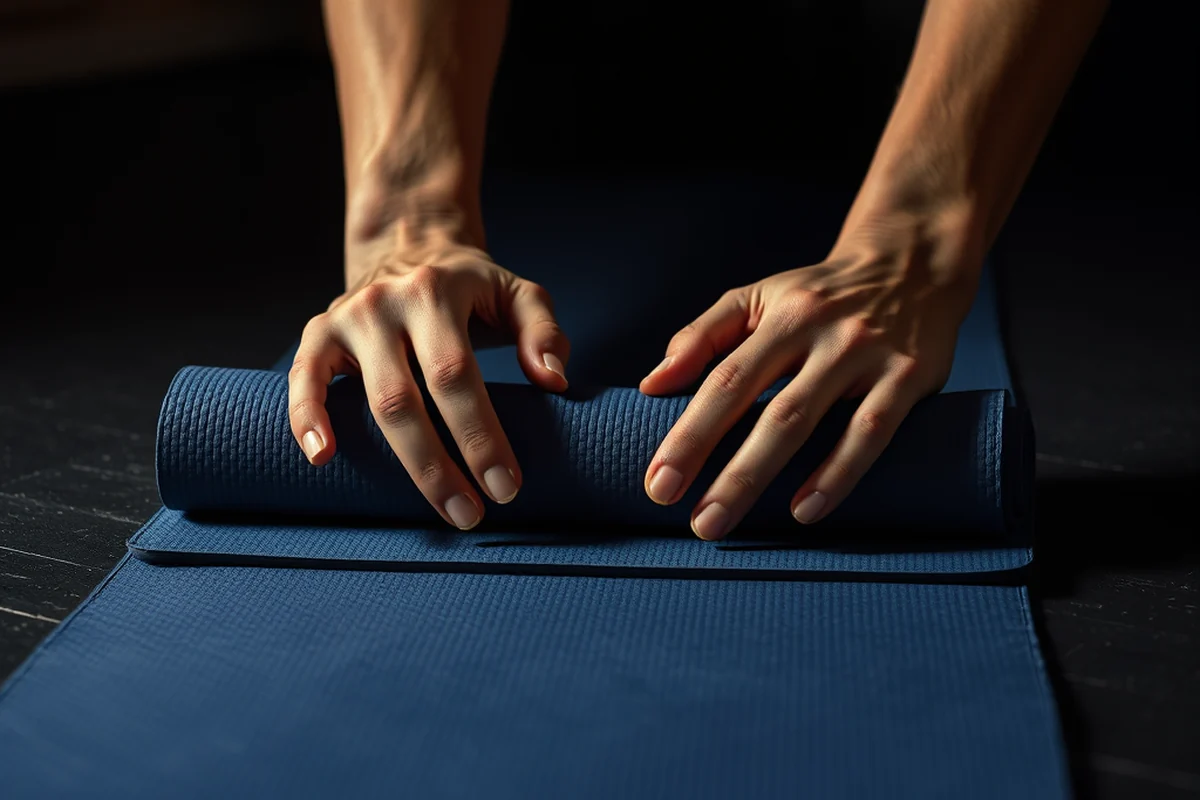
I remember a time when I was so stressed that I felt like I was carrying a weight on my chest. It was during a particularly busy week at work, and I had to push through several deadlines. My body felt heavy, and I couldn’t shake the feeling of unease. This is what stress feels like in the body—it’s not just mental, it’s physical.
Stress can cause muscle tension, especially in the neck and shoulders, and it can make your skin feel flushed or clammy. I’ve noticed that when I’m under stress, my heart rate increases even when I’m sitting still. This is the body’s way of preparing for a perceived threat, whether it’s real or not.
Sometimes, stress can manifest as fatigue or a lack of motivation. I’ve had days where I feel like I can’t move, even though I have nothing physically demanding to do. This is the body’s way of telling me that it’s overworked and needs rest.
Stress is not just in the mind—it’s in the body, too.
Related: Stress relief micro breaks progress step by step
The Psychological Impact of Stress
The psychological impact of stress is just as significant as the physical. I’ve noticed that when I’m under stress, I become more irritable and short-tempered. Simple conversations can feel like confrontations, and I find it hard to focus on tasks that used to be easy for me. This is a clear sign that stress is affecting my mental well-being.
Stress can also cause anxiety and even depression in some cases. I’ve had times when I felt like I was constantly on edge, unable to relax even when I was alone. This is the emotional toll that stress can take on a person’s life.
The psychological effects of stress can be long-lasting. I’ve learned that if stress is not managed properly, it can become a part of your daily life, affecting your relationships and your ability to enjoy simple pleasures.
If you’re feeling overwhelmed, take a 10-minute break. Step outside, breathe deeply, or do something that helps you reset your mind.
“I remember the exact moment I realized stress wasn’t just something I felt in my head—it was a full-body experience.”— Briefandcalm editors
Related: Stress relief micro breaks progress for small spaces
The Long-Term Effects of Chronic Stress
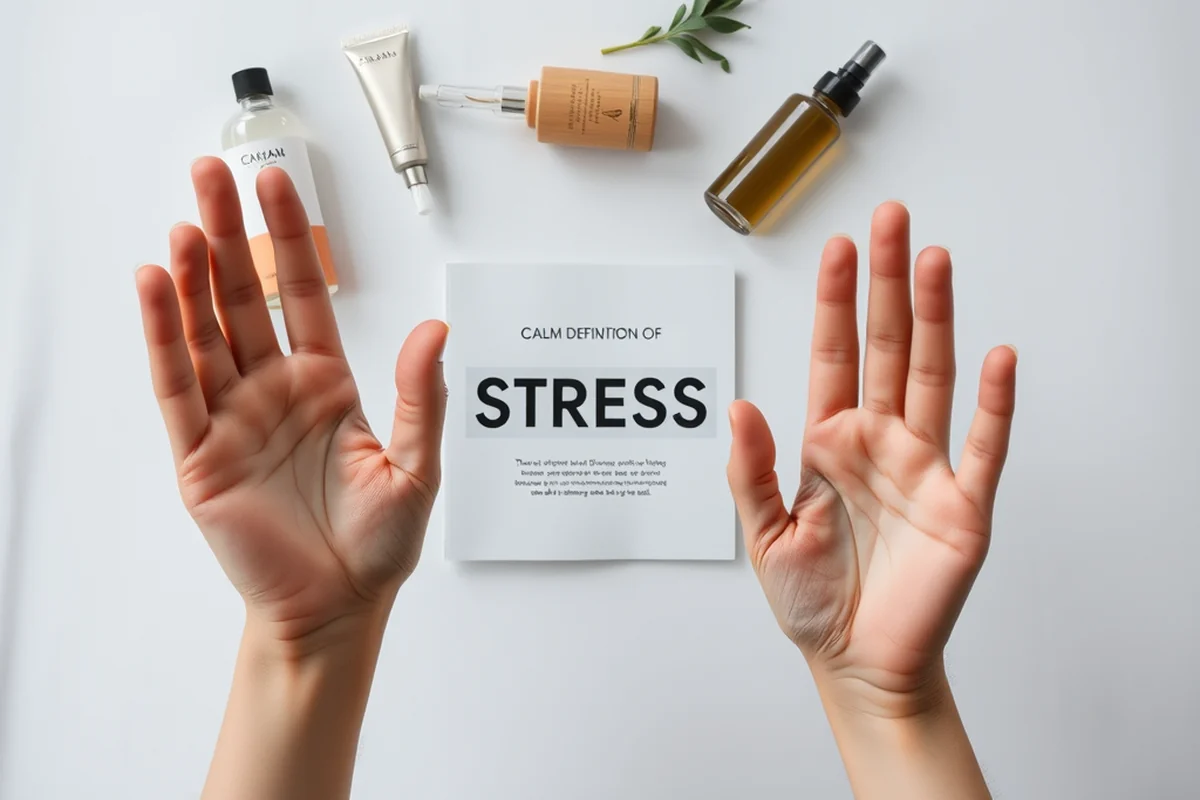
I’ve read studies that show chronic stress can lead to heart disease and high blood pressure. I’ve noticed that when I’m under prolonged stress, my blood pressure tends to rise, and I feel more fatigued than usual. This is a clear warning sign that my body is under strain.
Chronic stress can also weaken the immune system, making you more susceptible to illness. I’ve found that when I’m under stress for an extended period, I tend to get sick more often, even if I’m taking care of myself. This is the body’s way of telling me that it’s not getting the rest it needs.
The long-term effects of chronic stress can be difficult to reverse. That’s why it’s important to recognize the signs early and take steps to manage stress before it becomes a long-term problem.
Related: Best stress relief micro breaks progress tracking
How to Identify Your Stress Triggers
I’ve learned that stress triggers can vary from person to person. For me, it’s deadlines and public speaking, but for others, it could be family conflicts or financial problems. Identifying your triggers is the first step in managing stress effectively.
To identify your stress triggers, I recommend keeping a journal. I’ve done this for months, and it’s helped me understand exactly what situations or people cause me stress. This knowledge has allowed me to take proactive steps to avoid or manage those situations.
Once you’ve identified your stress triggers, you can develop strategies to manage them. Whether it’s setting boundaries, practicing mindfulness, or seeking support, there are many ways to manage stress once you know what’s causing it.
Related: Stress relief micro breaks progress checklist
The Role of Sleep in Managing Stress
I’ve noticed that when I don’t get enough sleep, my stress levels increase significantly. It’s as if my body is running on empty, and I can’t function as well. This is a clear sign that sleep is essential for managing stress effectively.
Lack of sleep can make it harder to cope with stress, leading to increased irritability and a lower tolerance for challenges. I’ve had days where I felt like I could barely handle a simple conversation because I hadn’t slept well the night before.
Getting enough sleep is one of the best ways to manage stress. I’ve made it a priority to get at least 7-8 hours of sleep each night, and I’ve noticed a significant improvement in my ability to handle stress.
Sleep is not a luxury—it’s a necessity for managing stress.
Related: Diy stress relief micro breaks progress tracking
The Importance of Self-Care in Reducing Stress
I’ve come to realize that self-care is not a luxury but a necessity for managing stress. When I take time to care for myself, whether it’s through exercise, meditation, or simply enjoying a hobby, I feel more balanced and in control.
Self-care can take many forms, from taking a walk in nature to practicing deep breathing exercises. I’ve found that even small acts of self-care, like taking a warm bath or listening to music, can make a big difference in how I handle stress.
Incorporating self-care into your daily routine is one of the best ways to reduce stress. I’ve made it a habit to take time for myself each day, and it’s helped me maintain a better sense of balance and well-being.
🧘 5-Minute Stress Relief
Quick and effective techniques you can do anywhere, even during a busy day.
🪑 Desk-Friendly Stress Management
Simple practices you can do while sitting at your desk to relieve stress.
🌱 Beginner’s Guide to Stress Reduction
A gentle, step-by-step approach to managing stress for those new to self-care.
🚀 Progressive Stress Management
Advanced techniques to build long-term resilience against stress.
🛠️ Maintenance for Stress Relief
Practices to sustain a stress-free lifestyle and prevent relapse.
| The mistake | Why it happens | The fix |
|---|---|---|
| Ignoring early signs of stress. | Ignoring early signs of stress can lead to chronic health issues and long-term damage to your well-being. | Take time to recognize and address the signs of stress early, such as through journaling or self-reflection. |
| Trying to manage stress alone. | Managing stress alone can be overwhelming and may lead to burnout or emotional exhaustion. | Seek support from friends, family, or a professional to help manage stress effectively. |
| Overlooking the importance of sleep. | Lack of sleep can worsen stress and make it more difficult to manage. | Prioritize getting enough sleep each night and create a bedtime routine to improve your sleep quality. |
| Not incorporating self-care into daily life. | Neglecting self-care can lead to increased stress and burnout. | Make time for self-care activities each day, such as taking a walk, practicing meditation, or enjoying a hobby. |
Definition Of Stress
Common Questions
What are the most common signs of stress?
How can I reduce stress quickly?
Can stress be completely eliminated?
What happens if I ignore stress for a long time?
Cite this guide
Briefandcalm (2026). What Is the Definition of Stress and How Is It Experienced. https://briefandcalm.com/definition-of-stress/
Feel free to cite or share this guide.