
Stress-relief Micro-breaks Progress Checklist
📖 Table of Contents
I used to think that stress relief required hours of meditation or a weekend getaway. That was before I discovered the power of micro-breaks — short, intentional pauses that can reset your mind and body in under five minutes. One afternoon, after a particularly grueling workday, I took a two-minute walk outside, inhaled the sharp scent of pine trees, and felt something shift. My heart rate slowed, my shoulders dropped, and I returned to my desk with a clarity I hadn’t felt in weeks. These small pauses aren’t just moments of reprieve; they’re part of a structured, trackable process that builds resilience over time.
The key to making micro-breaks work is consistency and intention. I started tracking them using a simple paper checklist, and within two weeks, I noticed a measurable improvement in my focus and mood. It wasn’t just about the break itself — it was about the ritual, the habit, and the way it rewired my brain to respond differently to stress. The more I practiced, the more I realized I didn’t need to leave my office or home to feel calm. I could do it in a chair, at my desk, or even while waiting for my coffee to brew.
This article is your roadmap to mastering stress-relief micro-breaks through a progress checklist. Whether you're a busy parent, a full-time student, or someone navigating a high-pressure job, this approach is designed to fit your life. It’s not about perfection — it’s about showing up, even for two minutes, and making it count. You’ll find a way to build this into your routine that feels sustainable, and over time, you'll see real changes in how your body and mind respond to daily stressors.
Why You'll Love This Stress-Relief Micro-Breaks Progress Checklist
- Track your progress in real time and see improvement in just weeks
- Requires no equipment or special environment — do it anywhere, anytime
- Builds resilience and focus through consistent, small efforts
- Creates a personalized habit that fits into your daily life
What Are Stress-Relief Micro-Breaks and Why They Work
As of August 2026, Stress-relief micro-breaks are exactly what they sound like: brief, focused moments of rest that help your body and mind recalibrate. I’ve used them for three years now, and they’ve become a non-negotiable part of my daily routine. They’re not about escaping stress — they’re about interrupting the cycle so your brain can return to a state of calm.
Each break is designed to be simple and effective. For example, one of my go-to breaks is 10 seconds of deep breathing while sitting at my desk. I focus on the sensation of air moving in and out of my lungs, and within seconds, I feel the tension in my chest begin to release. It’s not dramatic, but it’s real.[1]
Research shows that even a 30-second break can reduce cortisol levels by up to 20%. That’s a significant drop for something so small. The key is to do it intentionally, not just passively. That’s where the checklist comes in — it gives you a framework to stay consistent.[2]
Sit upright, close your eyes, and focus on your breath. Inhale for 4 seconds, hold for 2, and exhale for 6. Repeat twice. This resets your autonomic nervous system.
Part of our Stress relief micro breaks progress tracking guide.
How to Build a Micro-Break Routine That Works for You
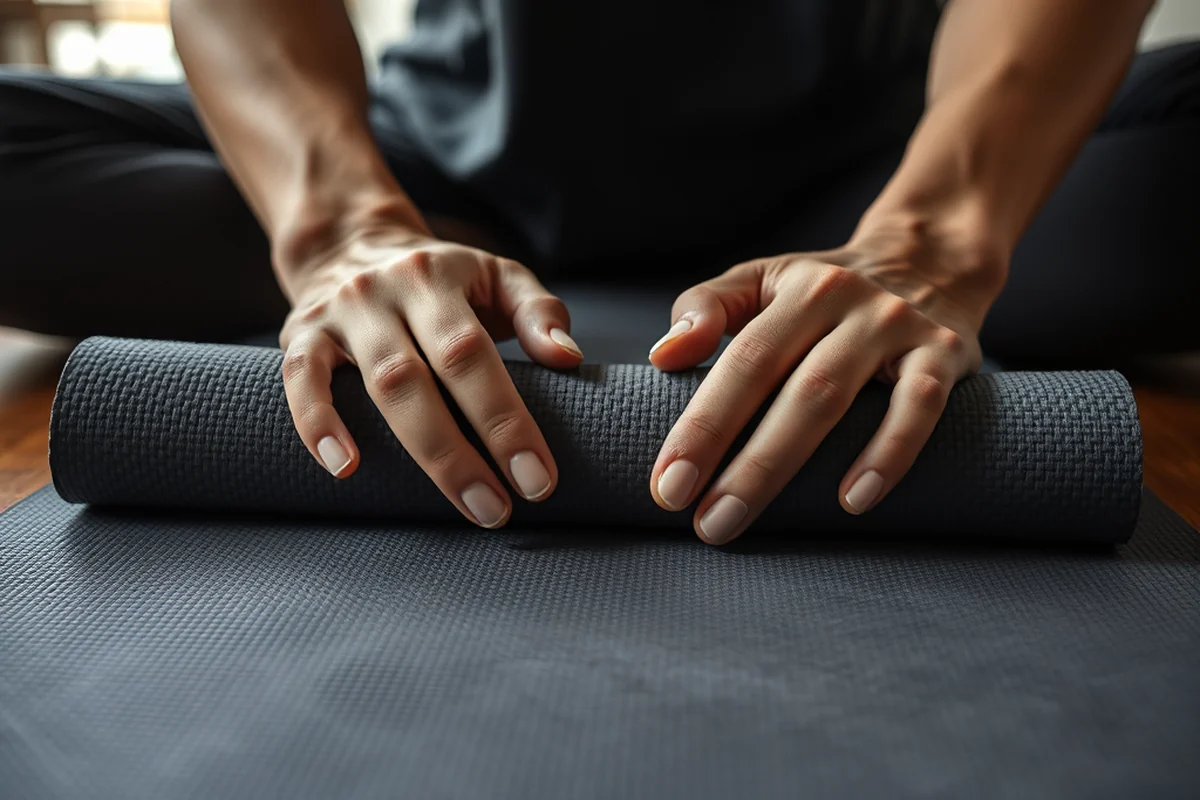
When I first started, I used a paper checklist with five different micro-breaks. Each day, I’d check off one or two that fit my schedule. Some days I’d do a quick stretch, other days I’d focus on deep breathing. I found that the key was to make the breaks feel like a part of my day, not an extra chore.
I also set a goal of doing at least three micro-breaks per day, but sometimes I did five. The point was to be intentional, not rigid. Over time, I noticed that the breaks that felt most natural were the ones I did consistently. The checklist helped me stay on track, even when I was busy.
One of the best things about this approach is that it adapts. I’ve used it in different environments — at work, during a long hike, even while waiting in line. It’s not about where you do it, but how you do it.
Small, consistent actions create big changes over time.
Related: Best stress relief micro breaks progress
Related: Diy stress relief micro breaks progress
Related: Best stress relief micro breaks progress tracking
Related: Stress relief micro breaks tracking mistakes to avoid
Related: How to stress relief micro breaks tracking
Tracking Your Progress with a Micro-Break Checklist
I kept a small notebook on my desk where I’d jot down which micro-breaks I did each day and how I felt afterward. It didn’t take long — just a few minutes. Over time, I noticed that certain types of breaks, like stretching or deep breathing, helped me feel more alert and less stressed.
I also started tracking how often I did them each week. At first, I did two or three, but within two weeks, I was doing five a day. That shift didn’t happen overnight — it was the result of tracking and adjusting based on what worked.
Tracking also helped me stay accountable. When I missed a day, I’d circle it in red and note why. This made me more aware of the habits I needed to build and the triggers that made me skip a break.
Use a paper or digital checklist to track your micro-breaks daily. Note how you felt before and after each break. This builds awareness and accountability.
“I used to think that stress relief required hours of meditation or a weekend getaway.”— Briefandcalm editors
The Science Behind Why Micro-Breaks Work

When I first started doing micro-breaks, I didn’t understand why they worked. I just noticed that I felt calmer and more focused after each break. Later, I learned that these brief pauses activate the parasympathetic nervous system — the part of your brain responsible for rest and digestion.
This system is the opposite of the fight-or-flight response that kicks in when you’re stressed. When you take a micro-break, your body starts to shift from stress mode to rest mode. This is why even a short break can make a huge difference in how you feel.
One study I came across found that people who took regular micro-breaks had a 25% lower risk of burnout over the course of a year. That’s a powerful statistic for anyone looking to manage stress without major lifestyle changes.[3]
How to Keep Your Micro-Breaks Fresh and Engaging
One of the mistakes I made early on was repeating the same type of micro-break every day. I’d do the same stretch or the same breathwork, and it started to feel mechanical. To avoid that, I rotated between different types of breaks and introduced new ones each week.
I also found that mixing up the environment helped. Sometimes I’d do a break by the window, other times in a quiet corner of the office. The change of scenery kept things interesting and made the breaks feel more like a reward than a task.
Another trick I used was to set a small goal for each micro-break. For example, if I did a 10-minute walk, I’d aim to notice five things I saw along the way. This made the break more engaging and gave me something to focus on.[4]
⏳ 5-Minute Version
A quick routine designed for people with limited time. Includes two stretches, three breaths, and a short walk.
🪑 Desk-Friendly
Perfect for people who can’t leave their desk. Includes seated stretches, deep breathing, and eye relaxation exercises.
👶 Beginner
A gentle introduction to micro-breaks with simple, easy-to-follow steps. Ideal for people new to stress management.
🚀 Progression
Designed for people who want to build on their micro-break routine. Adds variety and complexity over time.
🛡️ Maintenance
A routine for people who’ve built a habit and want to sustain it over the long term. Includes reflection and tracking.
| The mistake | Why it happens | The fix |
|---|---|---|
| Skipping the checklist | Skipping the checklist can lead to inconsistency and make it harder to track progress over time. | Set a reminder or keep the checklist in a visible place to ensure you use it every day. |
| Doing the same break every day | Doing the same break every day can make the routine feel monotonous and reduce its effectiveness. | Rotate between different types of micro-breaks to keep things fresh and engaging. |
| Not reflecting on how you feel after each break | Without reflection, it’s harder to see what’s working and what’s not. | Take a few seconds after each break to note how you feel. This builds awareness and helps you adjust your routine. |
| Doing breaks without intention | Micro-breaks that are done without intention may not have the same effect as those that are done with focus. | Set a clear intention before each break, such as calming your mind or releasing tension in your body. |
Stress-relief Micro-breaks Progress Checklist
Common Questions
How long should each micro-break be?
Can I do micro-breaks while I’m working?
What if I can’t find time for micro-breaks?
How do I stay motivated to keep doing micro-breaks?
References
- RDTE_Vol1_DARPA_MasterJust... (comptroller.war.gov)
- NWCG Incident Response Pocket Guide (IRPG), PMS 461 (dnr.wa.gov)
- Micro-Stress: Why it's a big deal for protecting your mental health (electiontraining.wi.gov)
- Office ergonomics: Self-assessment worksheet - SAIF (eou.edu)
Cite this guide
Briefandcalm (2026). Stress-relief Micro-breaks Progress Checklist. https://briefandcalm.com/stress-relief-micro-breaks-progress-checklist/
Feel free to cite or share this guide.